
At Skin Scalp, we provide advanced chemical peel for skin lightening treatments designed to improve skin tone, clarity, and overall radiance. Our treatments are performed by expert dermatologists using safe or a trusted chemical peel treatment, Skin Scalp offers personalized care for both men and women seeking brighter, healthier skin.
Type of Chemical Peel
Glycolic Acid Peel
Who Is It For:
Normal to dry skin, dull or uneven skin tone
What It Does
:
Exfoliates dead skin cells, improves skin brightness, reduces pigmentation, enhances overall glow
Salicylic Acid Peel
Who Is It For:
Oily and acne-prone skin
What It Does
:
Deeply cleans pores, controls excess oil, reduces acne, acne marks, and inflammation
Lactic Acid Peel
Who Is It For:
Sensitive or dry skin, mild pigmentation
What It Does
:
Gently exfoliates, hydrates the skin, improves skin smoothness and mild discoloration
Combination Peel
Who Is It For:
Multiple skin concerns (acne, pigmentation, tanning)
What It Does
:
Targets more than one concern at a time, improves skin texture, evens skin tone, and boosts skin renewal
What is Chemical Peel
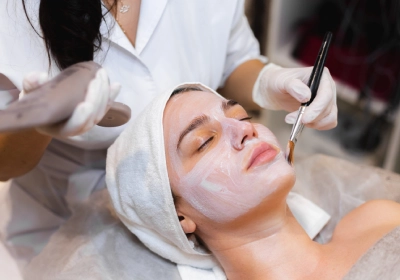
A chemical peel is a professional peeling treatment that uses medical-grade solutions to exfoliate damaged outer layers of the skin. This process removes dead skin cells, reduces pigmentation, and promotes new skin growth.
Depending on skin concerns, different peels such as whitening peel and vitamin C peel are used to achieve skin lightening and rejuvenation results safely.
Who is Chemical Peel For?
Our dermatologists evaluate your skin condition and recommend the most effective peeling treatment for optimal results.
Men and women with uneven or dull skin tone
Individuals dealing with acne marks or searching for acne solutions from the best dermatologist for acne
People with pigmentation on face or body, including chemical peel for dark underarms
Those experiencing sun damage, tanning, or dark spots
Anyone looking for professional chemical peel treatment for visible skin brightening
How Does Chemical Peel Work?
Chemical peel works by applying a carefully selected chemical solution to the skin, which causes controlled exfoliation. Over time, the skin appears clearer, smoother, and visibly lighter with improved texture.
Removes pigmented and damaged skin layers
Stimulates collagen production
Enhances skin renewal
Improves absorption of brightening ingredients like vitamin C peel
Recovery & Aftercare
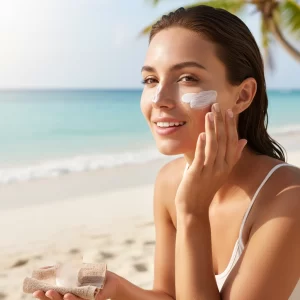
Recovery depends on the peel intensity. Mild peeling treatments have minimal downtime, while medium peels may cause temporary redness or flaking. Proper aftercare ensures safe healing and long-lasting skin lightening results.
Using sunscreen daily
Avoiding direct sun exposure
Keeping skin hydrated
Avoiding harsh products or scrubs
Following dermatologist-recommended skincare
Benefits of Chemical Peel
- Effective skin lightening and brightening
- Reduces pigmentation, acne scars, and dark spots
- Helps treat acne when guided by the best dermatologist for acne
- Improves skin texture and smoothness
- Suitable for face, neck, and dark underarm
- Safe, non-surgical peeling treatment
Why Choose Skin Scalp for Chemical Peel
At Skin Scalp, we focus on delivering safe, effective, and visible results through expert-led chemical peel treatments tailored to your skin needs.
Experienced and certified dermatologists
Customized treatments including whitening peel and vitamin C peel
Safe and advanced peeling technology
Trusted clinic for chemical peel treatment
Hygienic environment with personalized care
Proven results for skin lightening and acne concerns
Frequently Asked Questions(FAQ):
1. Do chemical peels give permanent results?
Chemical peels provide long-lasting results, but they are not permanent. Skin continues to age and is affected by sun exposure, lifestyle, and skincare habits. With proper maintenance, sun protection, and periodic sessions, results can be sustained for a long time.
2. Is a chemical peel good for eczema?
Chemical peels are generally not recommended for active eczema, as the skin is already sensitive and inflamed. A dermatologist must evaluate the condition first. In some cases, very mild peels may be considered only after eczema is well controlled.
3. How many years can a chemical peel take off?
A chemical peel can make the skin appear 3 to 10 years younger, depending on the peel type and skin condition. It improves texture, tone, and radiance, giving the skin a refreshed and youthful appearance.
4. How often should a chemical peel be done?
The frequency depends on the type of peel and skin concern:
- Mild peels: every 3–4 weeks
- Medium peels: every 2–3 months
Your dermatologist will recommend the ideal schedule based on your skin type and goals.
5. What are the disadvantages of a chemical peel?
Possible disadvantages may include:
- Temporary redness, peeling, or dryness
- Increased sun sensitivity
- Mild irritation if aftercare is not followed
When performed by experienced dermatologists and with proper aftercare, chemical peels are generally safe.
6. What is the best age to get a peel?
Chemical peels can be safely done from the early 20s onward, depending on skin concerns. Younger individuals may opt for peels to manage acne or dullness, while older individuals benefit from peels for pigmentation, fine lines, and skin rejuvenation.